One-Pot Tomato Basil Pasta
So you want pasta that tastes like you put in effort… but actually you just dumped everything in one pot and walked away for a bit? Honestly, same.
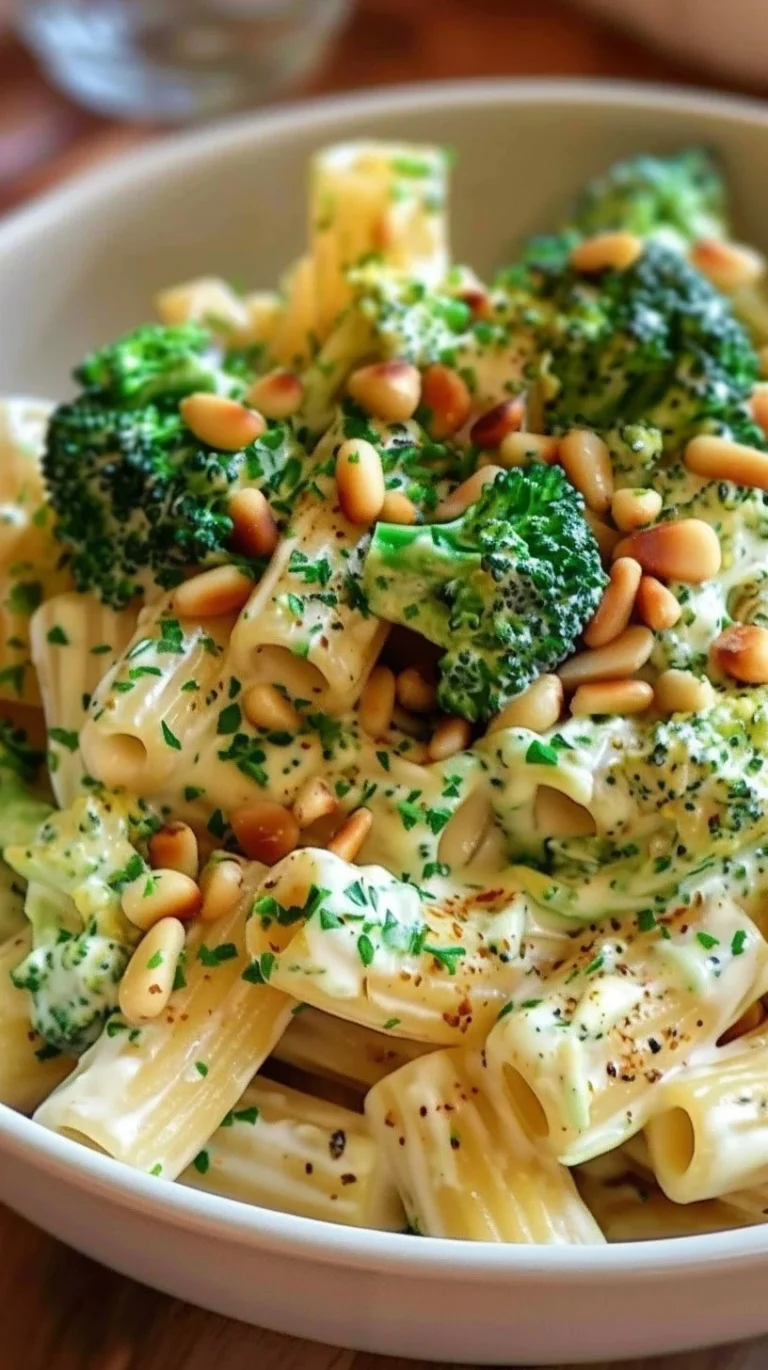
Meet One-Pot Tomato Basil Pasta – the dish that lets you feel like an Italian nonna without having to do 47 steps, 3 sauces, and a sink full of dishes. You throw in dry pasta, tomatoes, garlic, herbs, water, and let the pot do its thing. The result? Silky, saucy, flavor-packed pasta that looks fancy and tastes like you know what you’re doing in the kitchen.
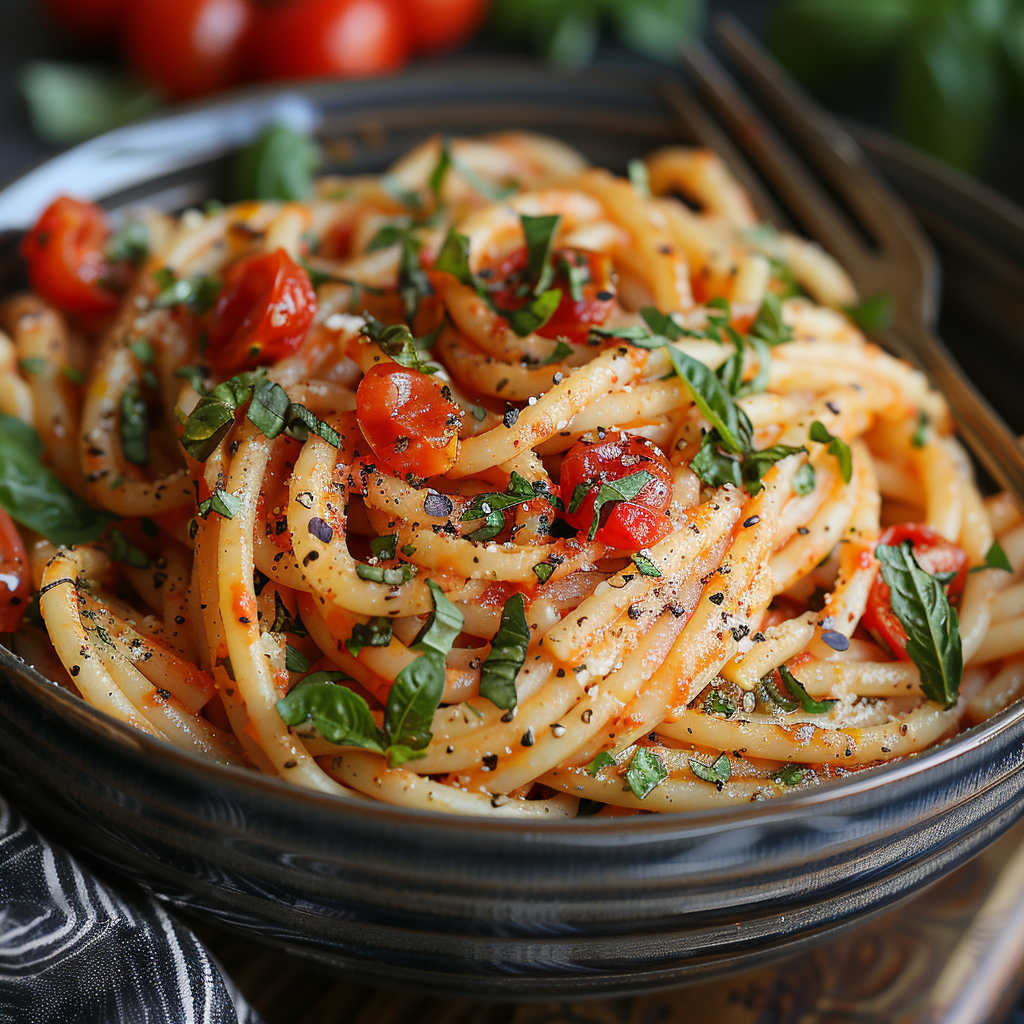
Why This Recipe is Awesome
Let’s talk about why this pasta is dangerously close to becoming your new “I make this too often” meal:
- You cook everything in one pot. Pasta, sauce, aromatics—everyone goes in together like a chaotic but functional family. Fewer dishes, more happiness.
- The pasta makes its own sauce. As the pasta cooks, it releases starch into the water, which turns into a naturally creamy, glossy sauce. It’s like pasta sorcery.
- Minimal chopping, maximum flavor. Onion, garlic, tomatoes, basil, done. The ingredient list is short but the taste is big.
- It feels fancy, but it’s lazy. Perfect for date night, solo carb therapy, or feeding friends when you want to pretend you “just whipped something up.”
- Totally customizable. Add veggies, change the herbs, toss in vegan cheese, spicy it up—this recipe is chill.
Translation: it’s fast, forgiving, and seriously delicious. Exactly what we want in a weeknight hero.
Ingredients You’ll Need
Nothing wild. Just pantry + a few fresh things and you’re golden.
Main Pasta Situation
- 12 oz (340 g) dry spaghetti or linguine – or any long pasta; we’re not strict here
- 1 can (14–15 oz / 400 g) diced tomatoes – with juices; fire-roasted if you want extra flavor
- 1 small onion, thinly sliced – yellow or white, the one you’ve ignored in the pantry works
- 3–4 cloves garlic, thinly sliced or minced – more if you’re in a committed relationship with garlic
- 3–4 cups vegetable broth – enough to mostly cover the pasta; adds way more flavor than plain water
- 2 tablespoons olive oil – for richness and that “I used good ingredients” vibe
- 1 teaspoon dried oregano – basic but reliable
- ½–1 teaspoon dried basil – yes, we’re using dried and fresh, we’re extra like that
- ½ teaspoon red pepper flakes (optional) – for a little kick
- ¾–1 teaspoon salt – adjust to taste depending on how salty your broth is
- ¼ teaspoon black pepper – just a bit of bite
Finishing Touches
- 1–2 handfuls fresh basil leaves, roughly torn – the star of the whole show, tbh
- 2–3 tablespoons nutritional yeast or vegan parmesan – for cheesy, salty goodness
- 1–2 tablespoons extra olive oil – to drizzle at the end because we’re a little fancy
- Juice of ½ lemon (optional) – if you like a tiny pop of brightness
To Serve
- Extra fresh basil – because it looks pretty and tastes great
- More vegan parmesan or nutritional yeast – obviously
- Crusty bread or garlic bread – in case the carbs weren’t enough
Step-by-Step Instructions
1. Load Up the Pot
- Grab a large, wide pot or deep skillet with a lid. Size matters here; the pasta needs room to spread out.
- Add the dry pasta to the pot. If it doesn’t fit lying flat, you can break it in half. Yes, Italians would faint, but we’re cooking, not auditioning for a heritage test.
- Add the diced tomatoes (with their juices), sliced onion, and garlic on top of the pasta.
2. Add the Flavor Boosters
- Pour in 3 cups of vegetable broth to start. You want most of the pasta covered; you can add more if needed.
- Drizzle in the olive oil.
- Add oregano, dried basil, red pepper flakes (if using), salt, and black pepper.
- Give everything a gentle stir to distribute the seasonings, but don’t worry if the pasta is still a bit stiff—it’ll soften quickly as it cooks.
3. Let the Magic Happen
- Bring the pot to a boil over medium-high heat. Once it starts bubbling, give everything another stir to loosen the pasta and keep it from sticking.
- Reduce the heat to medium or medium-low so it’s at a steady simmer, not a crazy rolling boil.
- Cook uncovered for about 10–12 minutes, stirring every 2–3 minutes. This is important:
- It keeps the pasta from clumping.
- It helps the starch mix into the liquid to form that dreamy sauce.
4. Adjust as You Go
- As the pasta cooks, the liquid will reduce and thicken. If it looks too dry and the pasta isn’t tender yet, add a splash more broth or water, about ¼ cup at a time.
- Keep tasting the pasta after the 9–10 minute mark. You’re aiming for al dente – tender but still with a slight bite.
5. Finish It Off Like a Pro
- Once the pasta is cooked and the liquid has mostly turned into a thick sauce, turn off the heat.
- Stir in the fresh basil, nutritional yeast or vegan parmesan, and a drizzle of extra olive oil.
- Taste and adjust:
- More salt if it’s flat.
- More pepper or red pepper flakes if you want spice.
- A squeeze of lemon juice if it feels too heavy and needs a little lift.
6. Serve and Enjoy
- Let the pasta sit for 2–3 minutes so the sauce can thicken a bit more. It’ll go from “soupy” to “silky” very fast.
- Twirl it into bowls, top with extra basil and vegan parmesan, and maybe a tiny drizzle of olive oil if you’re feeling extra.
- Grab a fork. Cancel your takeout order. Marvel at the fact that you just made this in one pot.
Key tip: If it ever looks too saucy, give it a minute off the heat. If it looks too dry, add a splash of broth. You’re in control.
Common Mistakes to Avoid
Let’s avoid turning this into “we tried” pasta.
- Using a tiny pot. If your pot is too small, the pasta clumps and cooks unevenly. Use a wide, deep pot or pan. Give the noodles room to live their best life.
- Not stirring enough. One-pot pasta needs a bit of attention. If you dump and walk away, you’ll likely get pasta stuck to the bottom in one angry lump. Stir every couple of minutes.
- Too much liquid, too early. It’s better to start with less broth and add as needed. Otherwise, you’ll end up with pasta soup, not saucy pasta.
- Forgetting to season properly. Bland pasta is a crime. Between the broth, tomatoes, and seasonings, you want layers of flavor. Taste and tweak.
- Overcooking the pasta. Once it’s soft, it’ll keep soaking up sauce. Pull it off the heat when it’s just al dente. Mushy pasta = sadness.
- Adding fresh basil too early. If you cook basil for too long, it turns dark and loses that fresh flavor. Add it at the end for maximum deliciousness.
Alternatives & Substitutions
You can absolutely make this pasta your own. The base recipe is just the starting point.
- Change the pasta shape:
Use penne, fusilli, farfalle, or any short pasta. Just adjust the cooking time slightly and keep an eye on the liquid. - Extra veggies:
Toss in:- Spinach or kale (add in the last 2–3 minutes)
- Cherry tomatoes (add with the canned tomatoes)
- Thinly sliced zucchini or mushrooms (add at the start with the onion)
- Creamier version:
Stir in a splash of coconut milk, unsweetened plant cream, or a spoonful of cashew cream at the end for extra richness. Very dangerous, in a good way. - Cheesier vibe:
Add more nutritional yeast, or use your favorite vegan mozzarella/parmesan, stirred in at the end so it melts into the sauce. - Spicier version:
Up the red pepper flakes, or toss in a bit of chili paste or hot sauce while it simmers. If you like to sweat a little while you eat, this is your moment. - Gluten-free option:
Use your favorite gluten-free pasta, but watch it closely. GF pasta can go from “perfect” to “falling apart” in a hot second. Stir gently and check doneness often. - No fresh basil?
It won’t be quite the same, but you can increase the dried basil a bit and finish with a drizzle of good olive oil to boost the flavor.
FAQ (Frequently Asked Questions)
1. Can I double this recipe?
Yes, just make sure you use a really big pot. More pasta = more crowded, so you’ll want extra space and maybe a little extra stirring. Also increase the broth gradually and watch the liquid level closely.
2. Can I use water instead of vegetable broth?
You can, but you’ll lose some flavor. If you must use water, add a bit more salt, herbs, and nutritional yeast to make up for it. Or toss in a bouillon cube if you have one.
3. How do I stop the pasta from sticking together?
Three things:
- Use enough liquid to keep things moving.
- Stir every 2–3 minutes.
- Don’t let it sit untouched when it first starts to soften.
It’s clingy at first, but it calms down.
4. My sauce looks too watery. Did I mess up?
Not necessarily. Turn off the heat and let it sit for a few minutes. The pasta will keep absorbing liquid and the sauce will thicken. If it’s still too thin, simmer for another 1–2 minutes uncovered.
5. Can I add protein to this?
Absolutely. You can add:
- Crispy tofu on top
- White beans or chickpeas cooked directly in the pot with the pasta
- Lentils (pre-cooked or canned)
It makes the dish heartier and more filling.
6. How long do leftovers last?
Stored in an airtight container, leftovers last up to 3–4 days in the fridge. The pasta will soak up more sauce as it sits, so you might want to add a splash of water or broth when reheating.
7. Can I freeze it?
You can, but pasta texture after freezing is… hit or miss. It’s fine if you’re not picky, but it’s definitely best enjoyed fresh or from the fridge within a few days.